tonebase 
Music
 course

Piano 101: Everything You Need to Know!

Taught by renowned 

pianist


Dominic Cheli

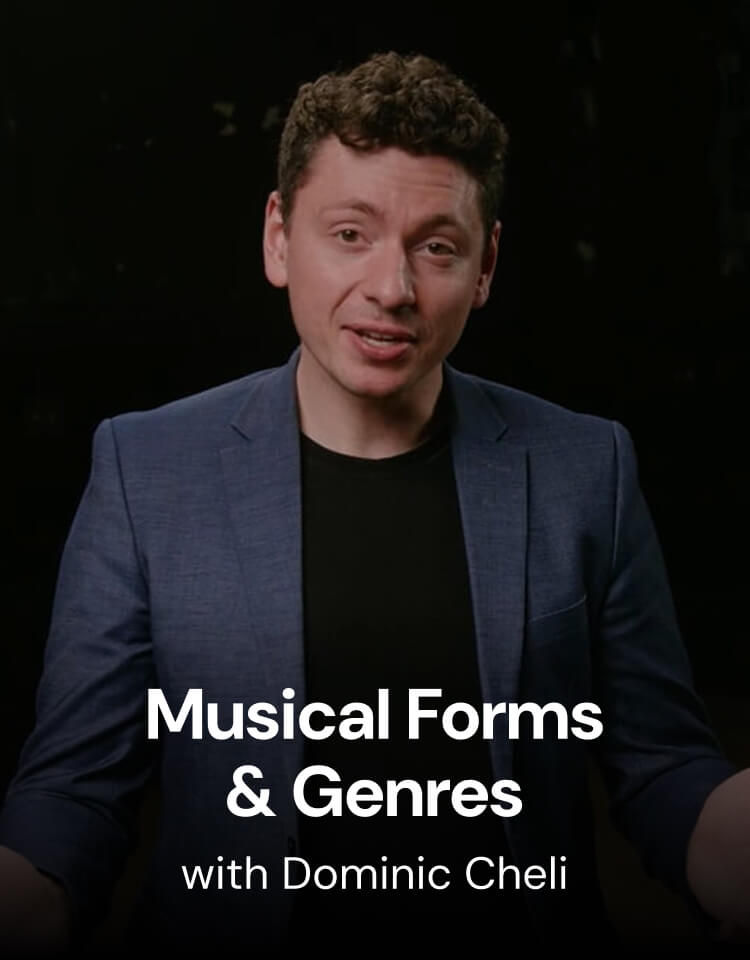
In this video, Dominic demonstrates how proper posture and technique are essential for relaxed, efficient piano playing. This guide covers key fundamentals, including arm positioning, wrist alignment, and finger curvature, to prevent tension and injury. Relaxed shoulders, properly aligned elbows, and a neutral wrist position support fluid movement, while balanced seating and hip engagement improve control. Hand shape, finger mechanics, and in-and-out hand motion enhance dexterity, with adjustments for different key positions. Foot placement aids pedal technique, and flexible wrist mtotion allows for natural phrasing. Simple exercises reinforce these principles, ensuring a strong technical foundation for expressive, comfortable playing.

  • checkmark icon
    Difficulty: 
    Beginner
  • checkmark icon
    Duration: 
    1
     hours
     hour

Course Syllabus

Getting Set Up: Posture and Technique Fundamentals

In this video, Dominic demonstrates how proper posture and technique are essential for relaxed, efficient piano playing. This guide covers key fundamentals, including arm positioning, wrist alignment, and finger curvature, to prevent tension and injury. Relaxed shoulders, properly aligned elbows, and a neutral wrist position support fluid movement, while balanced seating and hip engagement improve control. Hand shape, finger mechanics, and in-and-out hand motion enhance dexterity, with adjustments for different key positions. Foot placement aids pedal technique, and flexible wrist mtotion allows for natural phrasing. Simple exercises reinforce these principles, ensuring a strong technical foundation for expressive, comfortable playing.

How Do Pianos Work? An Introduction

In this video, Dominic Cheli breaks down how pianos work, giving you a clearer understanding of what’s happening inside the instrument as you play. You'll learn about the different types of pianos (acoustic, electric, and hybrid), how their mechanisms affect touch and sound, and why certain design features—like action design, means of sound production, and pedals—shape the way pianists approach the instrument. Whether you play on an upright, a grand, or a digital or hybrid piano, this overview will help you better informed about its capabilities.

Buying a Piano

Buying a piano is a big decision, whether you’re looking for your first instrument or upgrading to something more advanced. This lesson will guide you through the different types of pianos—acoustic, digital, and hybrid—and help you weigh their pros and cons based on sound, touch, maintenance, and budget. You’ll also get practical advice on how to test a piano before purchasing, what to consider when choosing between new and used models, and which brands are known for quality. By the end, you'll have a clearer idea of what to look for to find the right piano for your needs.

Piano Maintenance & Care

Keeping your piano in great condition ensures it stays responsive, sounds its best, and lasts for decades. This lesson covers what every pianist needs to know about maintenance—how often to tune an acoustic piano, how to handle humidity and temperature changes, and what tools can help protect your instrument. You’ll also learn practical tips for cleaning, dealing with broken strings, and avoiding common mistakes that can cause damage. Whether you have an acoustic, digital, or hybrid piano, this guide will help you take care of it properly so you can get back to making music.

Top 10 Tips for Beginners

Starting piano can feel overwhelming, but focusing on the right habits from the beginning makes all the difference. This lesson highlights essential principles to help you build a strong foundation—like why scales and arpeggios matter, how to practice efficiently, and how to develop a healthy technique.

You'll learn why finger strength isn’t about force but control, and how the speed of your key attack shapes dynamics more than sheer pressure. Discover why practicing hands separately (or even away from the keys) builds confidence and accuracy, and how breaking music into small, manageable sections can make complex pieces feel more approachable. You'll also get practical advice on using the pedal correctly, balancing challenging repertoire with simpler pieces for technical growth, and even how active listening can shape your musical instincts.

Whether you're just getting started or refining your practice routine, these insights will set you up for steady progress and long-term musical growth.

Beginner Piano Books

This lesson offers key recommendations for beginner piano books, including method books like Faber, Thompson, and Bastien (for beginners of any age, child or adult), technical exercises for developing better control, and compilations of supplemental repertoire for fun and variety. You'll also find suggestions for ways to stay motivated through tonebase’s community resources, such as videos, livestreams, and interactive challenges.

Click here to download the course workbook PDF and see the full syllabus →
Dominic Cheli
meet YOUR INSTRUCTOR

Dominic Cheli

Dominic Cheli’s career includes debuts at Walt Disney Concert Hall and at Carnegie Hall. He has CDs out on the Naxos and Delos labels and is the Head of Piano at tonebase.

Read full bio →
Dominic Cheli

Instant access to 100s of courses.

Explore our collection of in-depth courses taught by GRAMMY winners, Juilliard professors, and world-renowned performers.

"I don't regret for a minute having spent the money on the membership. There's something for every musician on tonebase – I recommend you give it a try."

Photo of Dave
Dave McLellan

Concert & Chamber Musician

Join 25,000+ active members on the the world’s largest classical music platform.